
Beta-caryophyllene is the terpene that smells like black pepper and cloves. It is the most consistent terpene on Grams lab reports: it is listed in 66 of the 67 batch summaries on our product pages and leads 26 of them, more than any other terpene.
What does beta-caryophyllene smell like?
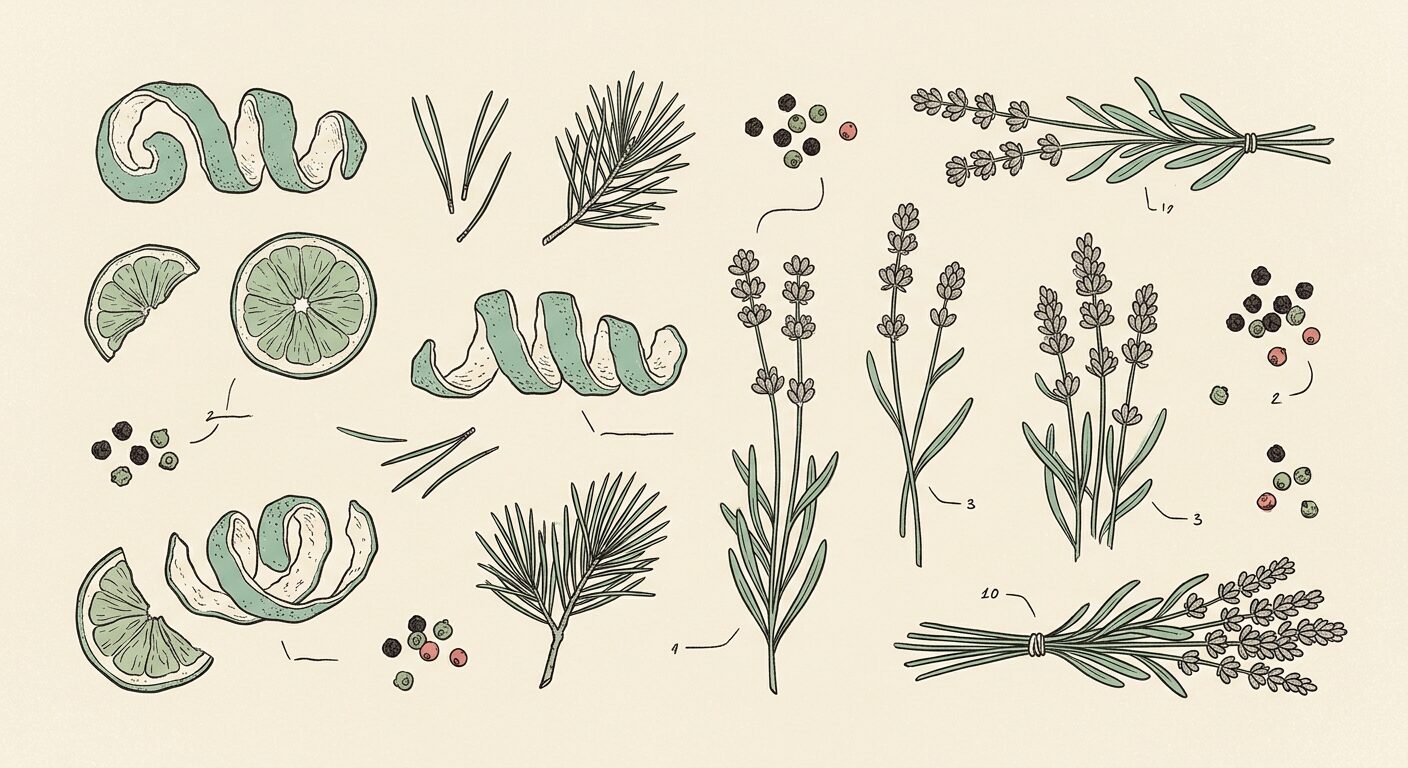
Cracked black pepper, cloves, a little wood and spice. It is found in black pepper, cloves, cinnamon, oregano, rosemary and hops. In a cannabis blend it adds a warm, dry, spicy edge, and it often explains why a jar with a fruity name still smells a little peppery underneath.
Unlike myrcene and limonene, beta-caryophyllene is a sesquiterpene: a larger molecule with fifteen carbon atoms. Larger terpenes evaporate less readily than the light ten-carbon ones, so they tend to linger in the background of an aroma rather than jump out of the jar first.
Which Grams products have the most beta-caryophyllene?
| Product | Batch | Beta-caryophyllene | Rank in batch |
|---|---|---|---|
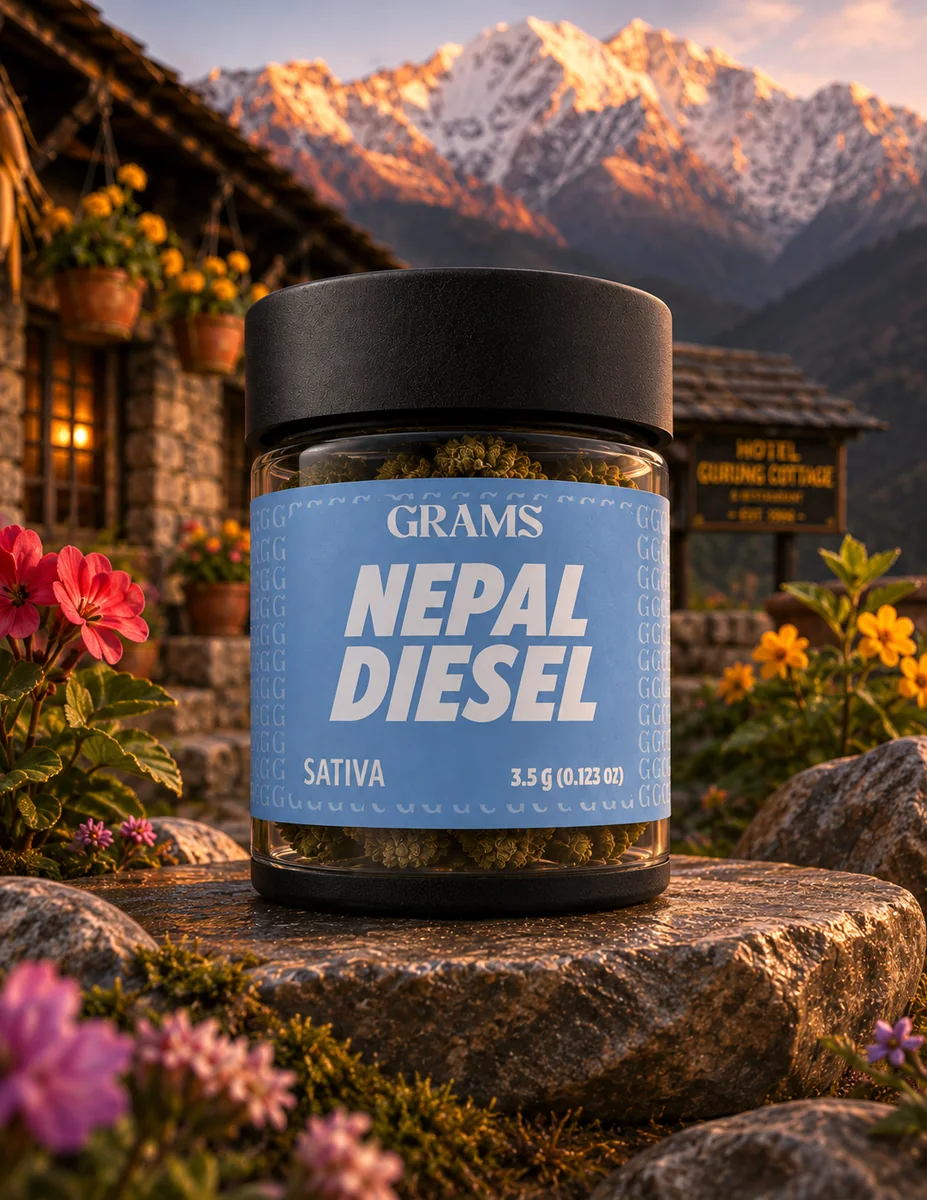
| Nepal Diesel · Flower 3.5g | TCR-F-ND-1026 | 0.7831% | 1st |
| Nepal Diesel · Flower 28g | TCR-FOZ-ND-1026 | 0.7524% | 1st |
| Applesauce · Flower 28g | TCR-F-MA-901 | 0.5769% | 1st |
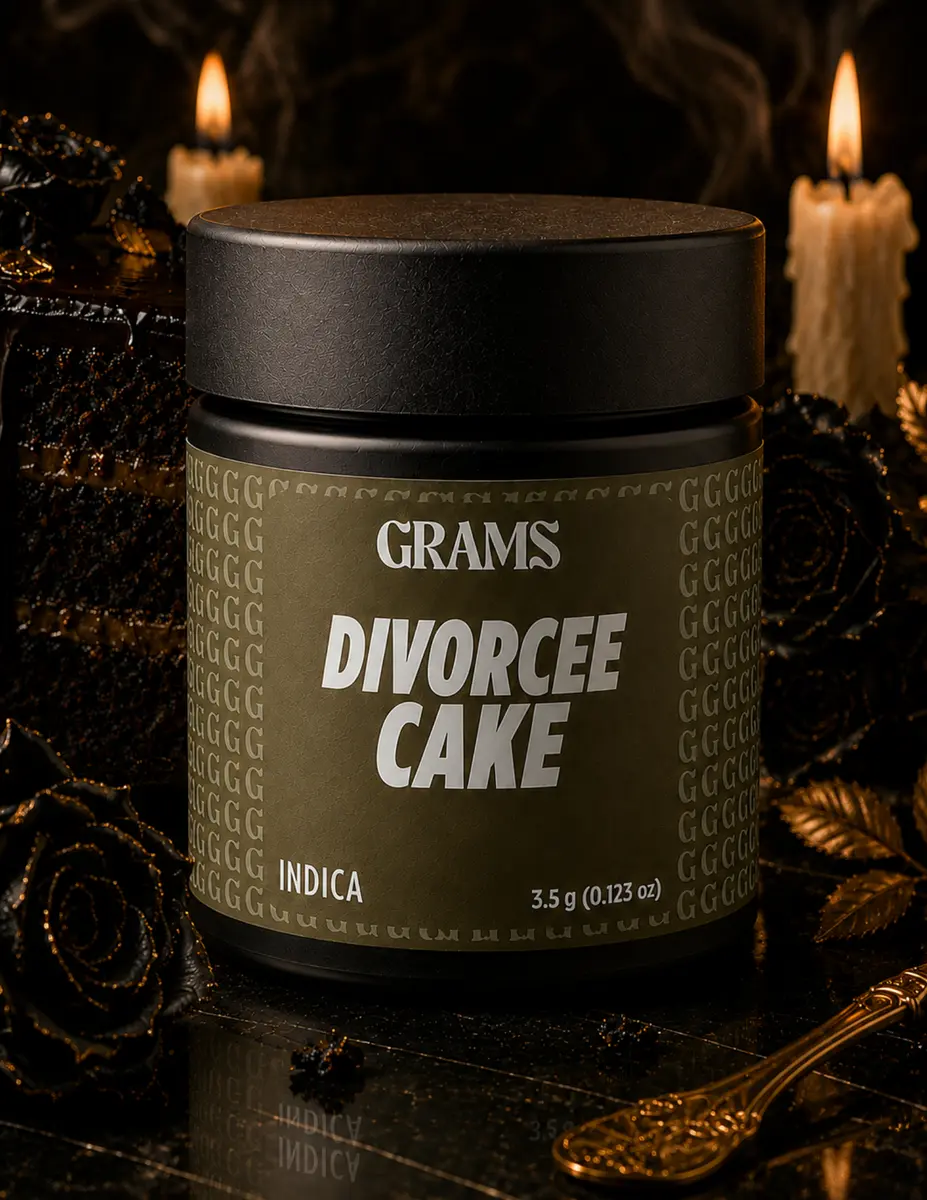
| Divorcee Cake · Flower 28g | TCR-FOZ-DC-1026 | 0.5572% | 1st |
| Divorcee Cake · Flower 3.5g | TCR-F-DC-715 | 0.5459% | 1st |
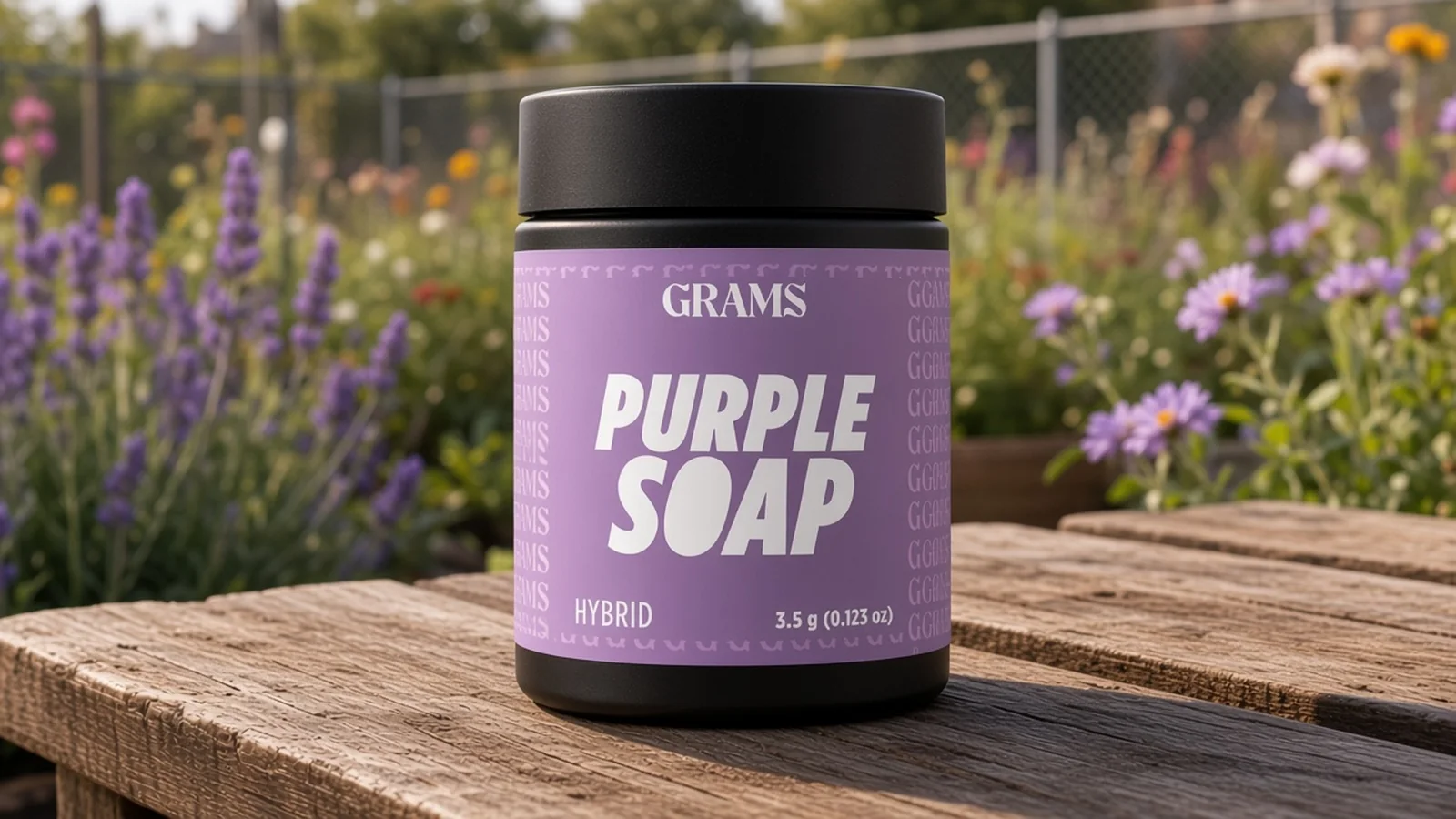
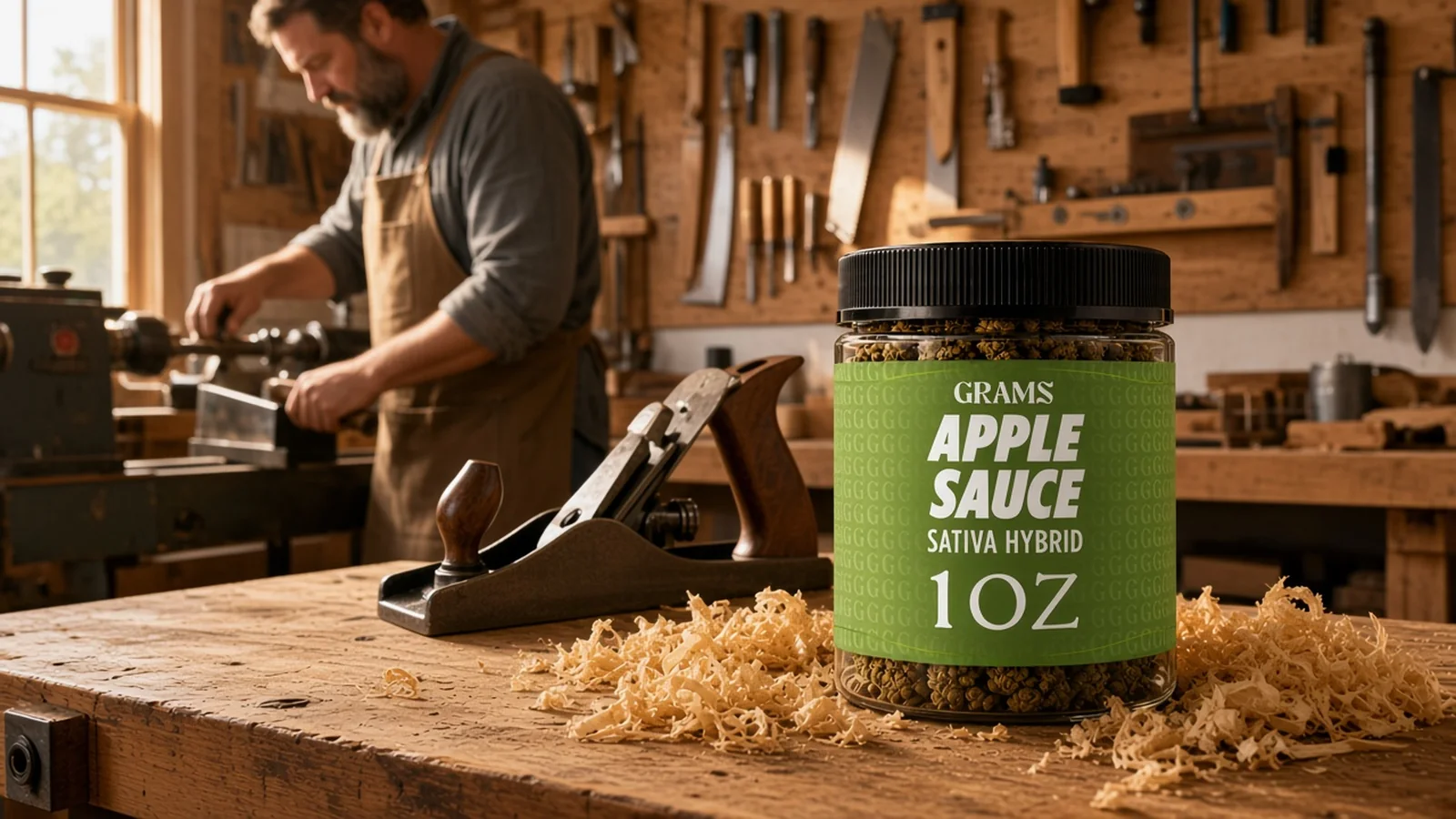
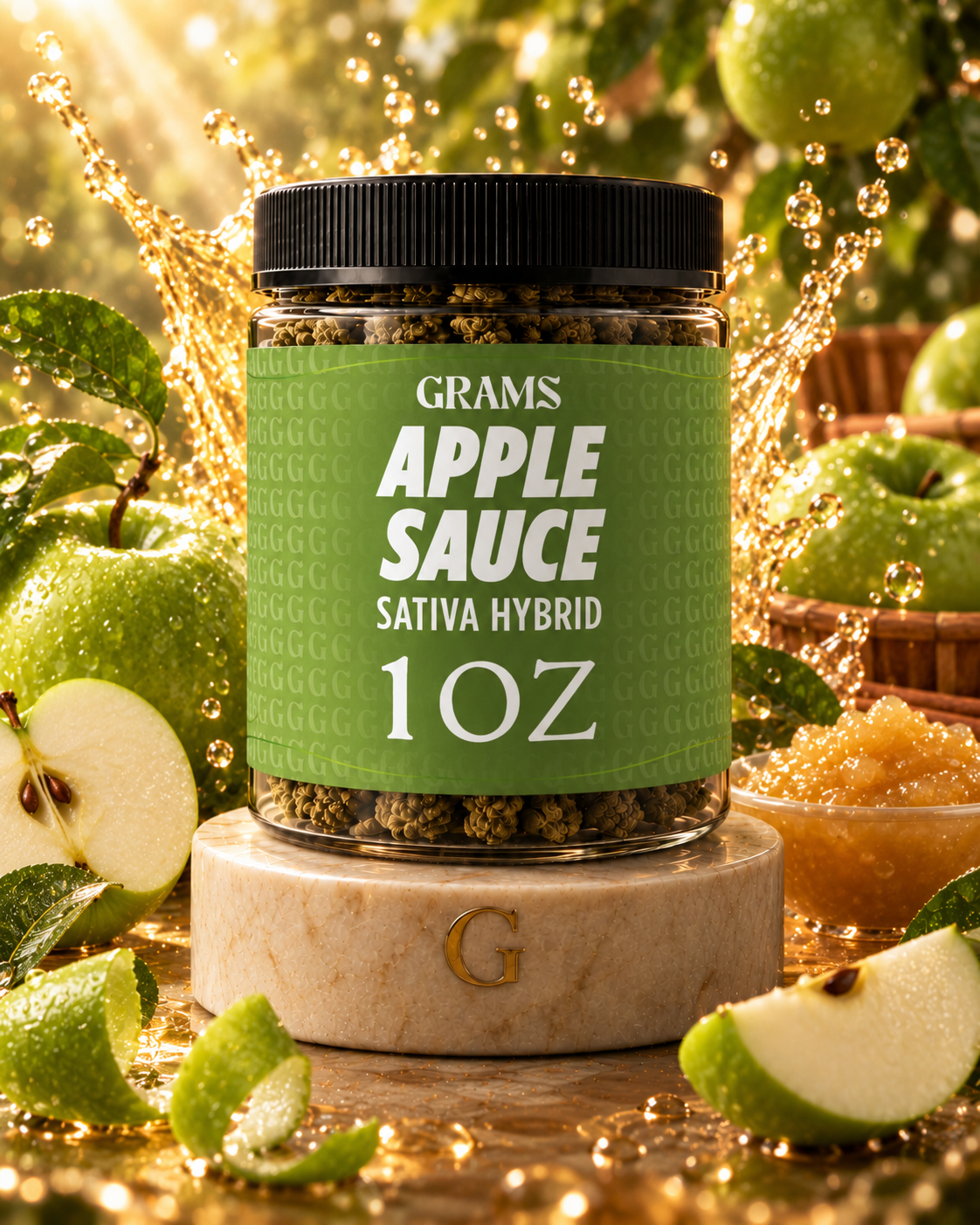
Applesauce, the jar in the photo, is a clear example of a pepper-led blend: beta-caryophyllene at 0.5769%, with linalool and alpha-humulene well behind it. The one batch summary where beta-caryophyllene isn't listed is Pink Lady G, batch TCR-F-PLG-1026, where terpinolene, limonene and other terpenes fill the top five. Not listed only means it measured lower than those; the full report shows the rest.
Source: Applesauce report, batch TCR-F-MA-901
Source: Nepal Diesel 3.5g report, batch TCR-F-ND-1026
Why do researchers pay attention to beta-caryophyllene?
In a 2008 laboratory study, researchers found that beta-caryophyllene binds to CB2, one of the body's cannabinoid receptors. That made it unusual among terpenes, and it is why you will see it called a dietary cannabinoid. A lab finding about a receptor is not evidence that a cannabis product with more beta-caryophyllene will feel or work any differently, and we don't make that claim. For shopping, treat it as what you can actually notice: a peppery, spicy aroma.
Source: Gertsch et al., PNAS (2008)
Beta-caryophyllene and humulene often appear together
Alpha-humulene is a close chemical relative, and plants tend to make the two side by side. On our reports, every batch summary that lists humulene also lists beta-caryophyllene, and beta-caryophyllene is the larger of the two every time. If a jar reads as both peppery and woody or hoppy, that pair is usually why.
How to find it on a Grams lab report
Look for beta-caryophyllene in the terpene panel of the report that matches the batch number on your jar. Some reports also list caryophyllene oxide, a related compound that forms when beta-caryophyllene reacts with air; it is a separate line. Compare flower with flower, since vapes and extracts concentrate terpenes and post higher numbers.
The rest of the terpene series
This guide is one of seven. Each covers one terpene, what it smells like and where it turns up on Grams lab reports.
Myrcene: aroma and Grams lab results
Limonene: aroma and Grams lab results
Linalool: aroma and Grams lab results
Pinene: aroma and Grams lab results
Humulene: aroma and Grams lab results
Terpinolene: aroma and Grams lab results
Source: PubChem compound summary for beta-caryophyllene
Cannabis delivery from Graham Avenue
Adults 21 and older should consume responsibly and never drive after using cannabis.
Sources and further reading
Nature Plants: research on cannabis labeling and chemical variation