
An ounce sounds straightforward. Then the jar starts speaking in grams, batch codes and tiny print. Great. Your flower has paperwork.
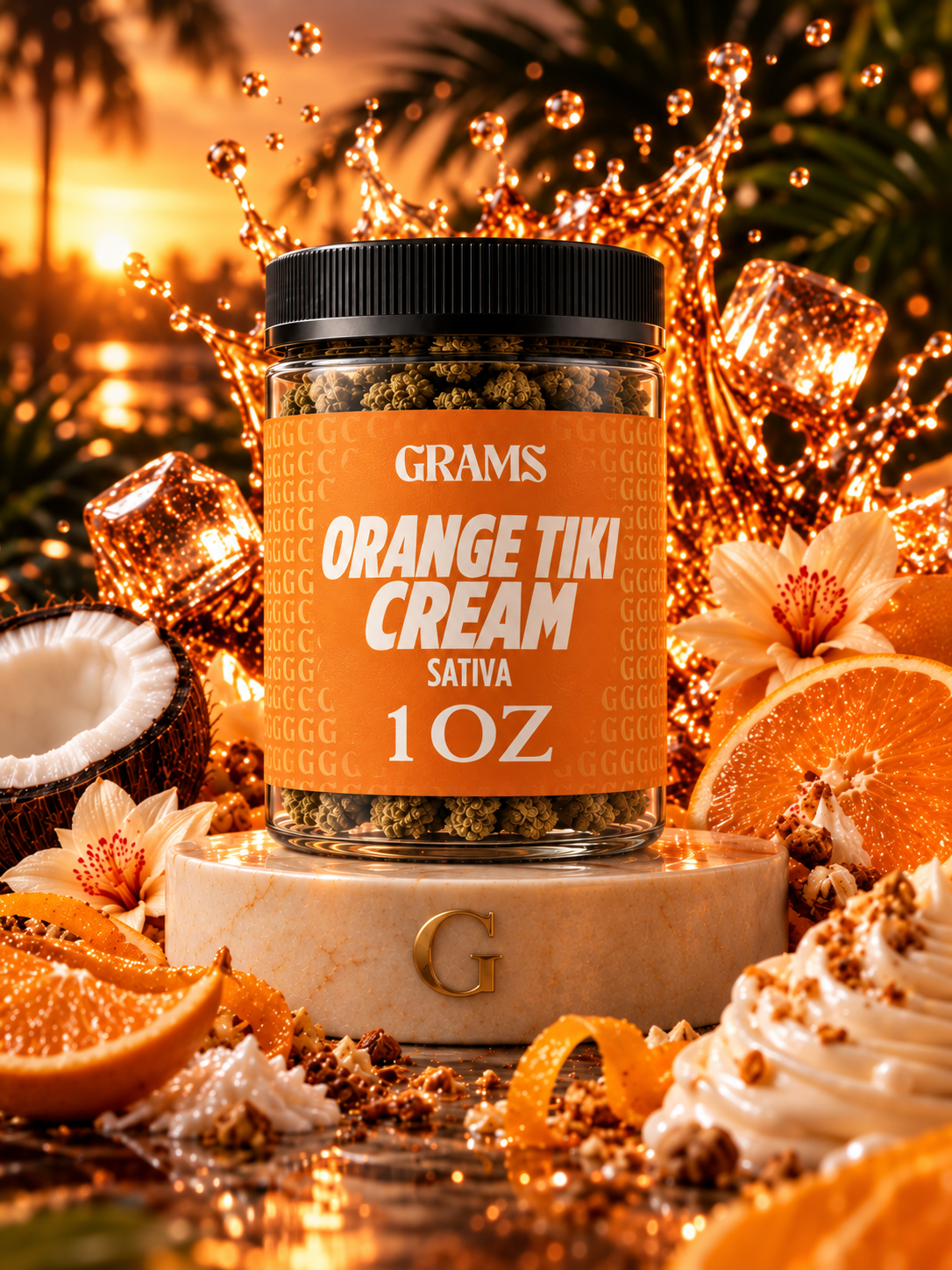
The Orange Tiki Cream jar pictured here puts “1 OZ” right on the front. That tells you the format. The rest of the label fills in the story: declared weight, batch details and dates. Here’s the short version, with no magnifying-glass ceremony required.
A little math. Very little.
An ounce of weight is approximately 28.35 grams, according to NIST. A 28g declaration is close, but it isn’t the exact conversion. Read the quantity actually printed on the package instead of treating the two numbers as interchangeable.
Also, this is an ounce of weight, not a fluid ounce. The measuring cup can sit this one out. A package’s size tells you how much it contains; it doesn’t tell you how much to consume.
“Fresh” deserves a date, not just an adjective
When a package or report shows a date, check what happened on that date. Harvesting, packaging, laboratory sampling and issuing a test report are different events. A recent report date alone doesn’t tell you when the flower was harvested or packed.
Look for the dates and storage instructions on the actual package. If a date is missing, a product photo can’t fill in the blank. Neither can a very confident caption.
The batch code is the useful little detail
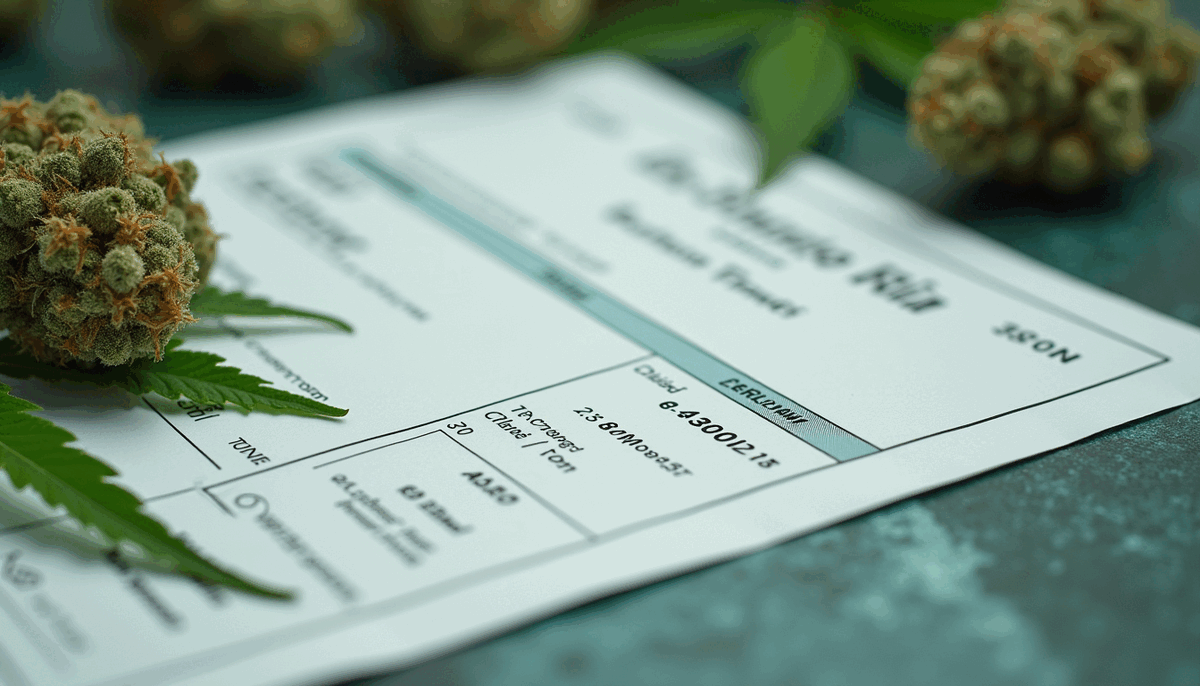
The name is easy to remember. The batch code does the matching. New York’s consumer guidance explains that regulated cannabis products carry a QR code or link to their Certificate of Analysis, or COA.
Match the package’s batch identifier to that report before reading the results. A familiar name on a different jar or a different format doesn’t establish that it has the same batch record. Yes, the small print gets a moment in the spotlight.
Give the jar a sensible home
Keep the original packaging and follow its storage directions. New York’s Office of Cannabis Management recommends a locked container or lockable drawer or cabinet, out of sight and reach of children. Keep it away from pets, too. The original label keeps warnings and identifying information with the contents.
Weight, dates, batch, storage. Four small details that make an ounce easier to understand. The jar can keep its dramatic artwork; the facts should be easy to find.
The receipts
NIST: ounce-to-gram and fluid-ounce conversions